


Answer 5 questions
and find out your real chances of getting a visa in just a few minutes.


Step 1 of 6
Step 6 of 6
Last step!
Leave your contacts and get the result
By submitting this form you agree to the processing of your personal data.
Step 6 of 6
Analyzing your answers...
Checking the details you entered
Canada Business Visa via Poland — Turnkey with Visa Agency
Traveling to Canada for negotiations, a conference, or a business meeting? We handle the entire process — from business documents to the visa in your passport. We understand the specifics of applying from Poland for Ukrainians and Belarusians.
WHAT DOCUMENTS
ARE NEEDED FOR THE VISA
Basic package
- Passport valid for at least 6 months
- Proof of legal stay in Poland (visa, residence permit, PESEL UKR)
- Completed online application form on the IRCC website
- Photo meeting Canadian visa center requirements
- Proof of visa fee payment (CAD $100)
- Invitation letter from a Canadian company or organization
- Letter from your employer confirming the business trip
- Biometric data submission at the VFS visa center
Depending on your situation
- Employees: employment certificate with position, salary, and work experience, employment contract, confirmation of business trip from employer, confirmation of who covers travel expenses
- Entrepreneurs and business owners: company registration documents, tax reports, contracts with Canadian partners, business correspondence with the Canadian side
- Freelancers: client contracts, bank statements confirming stable income, registration as self-employed or sole proprietor
Additional documents
- Previous visas to Canada, the USA, or the UK
- Travel history to EU countries
- Family documents in Poland or Europe
- Bank statement for the last 3–6 months
- Property ownership documents or rental agreement in Poland
- Conference or business event program
- Contracts and business correspondence with the Canadian side
- Registration for a business event in Canada
Consultation
We analyze your business situation: type of employment, purpose of travel, and company documents. We choose the right application strategy and honestly assess your chances before any payment.
Preparation of business documents
We help properly prepare the invitation letter from the Canadian company and the employer letter — with wording that answers all questions from the visa officer. These are key documents for a business visa.
Account creation and application form
We create an account on the official IRCC website and complete the online application form. Every field is checked twice — mistakes can lead to delays or refusal.
Visa fee payment
The CAD $100 visa fee is paid online when submitting the application. It is non-refundable in case of refusal. Biometrics fee CAD $85 is paid separately. We help complete the payment correctly through the official IRCC system.
Preparation of the full document package
We prepare the full package: application form, business invitation, employer letter, financial documents, motivation letter, hotel bookings, and everything else required for your situation.
Online document upload
We upload all documents to the IRCC online system in the correct format and order. Technical upload mistakes are a common reason for processing delays.
Biometrics at VFS
You personally visit the VFS visa center — fingerprint and photo submission takes 15–20 minutes. Your passport is not taken during submission. No interview is required.
Receiving the decision
Standard processing time is from 2 to 8 weeks. After approval, your passport is sent by courier to the visa center for visa stamping and then returned — the whole process takes about 2 weeks.
Processing and issuance times:
- Case preparation with us: from 5 to 14 days
- Biometrics appointment at VFS: from several days to several weeks
- IRCC application processing time: from 2 to 8 weeks
- Urgent processing: unavailable — Canada does not provide expedited processing
Validity period and entry rules:
- Visa validity: usually up to 10 years or until passport expiration
- Entries: multiple-entry visa
- Length of stay per entry: up to 6 months
- Working for a Canadian company on a business visa is prohibited
- The exact duration of stay is determined by the border officer
VFS Global Visa Center — Warsaw
Document submission and biometrics:
Embassy of Canada in Warsaw
YOUR
VISA
The result you came for — an approved visa in your hands.

OUR
WORK
Full support: from filling out the application to receiving your passport.

I postponed it twice — thought I would be denied. The guys found weak spots and fixed them. Visa is in my passport!
bibosinkaYOUR VISA
IS COMING SOON!
- All the bureaucracy is on us — you just attend the interview.
- Honest assessment of chances before starting work — no empty promises.
- A to Z support — from the first consultation to the stamp in the passport.
GET A FREE
CONSULTATION
We will call you back in 15 minutes — assess your chances and tell you exactly what you need.
By submitting the form, you agree to the processing
of personal data.
YOU ONLY DREAM
WE DO THE REST
From the first question «which visa fits?» to the moment
you hold the stamp in your passport
 STEP 1
We’ll review your
business situation
Employees, entrepreneurs, and freelancers all require different strategies. We analyze your case and immediately explain what you need specifically.
 STEP 2
We’ll prepare your
business documents
We prepare the invitation letter from the Canadian company and the employer letter so the visa officer clearly sees the business purpose of your trip without unnecessary questions.
 STEP 3
We’ll complete the application
and upload documents
One mistake in the application or an incorrect file format can lead to delays or refusal. We handle everything ourselves and double-check every detail.
 STEP 4
We’ll book your VFS
appointment
We arrange your biometrics appointment at the VFS visa center — in Warsaw or the capital of any other country — at a convenient time for you.
 MAIN
MAIN
Full support from start to finish —
we stay with you every step
Question at 10 PM? We reply. The Canadian officer requested additional documents? We are already preparing them. You are never left alone with the system.
 PERSONAL
Personalized approach
for every case
Ukrainian, Belarusian, freelancer, or business owner — every situation requires a different strategy. We choose the approach that works specifically for your case.
GUARANTEE
We work until
you get results
If your visa is refused, we analyze the reason, fix the issues, and submit again free of charge.
NOT AN AGENCY —
A TEAM THAT
DELIVERS RESULTS
Physical office, official contract, and a personal
manager for every case
- Office in Warsaw — you can visit in person
- We work officially, under a service contract
- We process visas for 10+ countries — we know the requirements for each
- A personal manager handles your case until the stamp
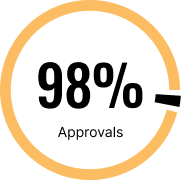
Our clients get their
visa on the first try
WHAT YOU GET WITH US
— AND WHAT YOU LOSE WITHOUT US
C VISA AGENCY
- We provide a ready-made plan — no googling or doubts
- We double-check the application — no errors, no refusals
- We know how to present finances so you are trusted
- We find a slot in days, not months
- We book a hotel without payment — your money stays with you
- In case of refusal — free resubmission and a new strategy
- We guide you to the stamp. 98% get their visa on the first try
ON YOUR OWN WITHOUT US
- You read forums for hours — and aren't sure it's right
- Mistake in the application → refusal → black mark in the embassy
- You don't know how to present finances to be trusted
- You search for a slot yourself — and wait 2–4 months
- Tickets and hotel are paid. No visa. Money is frozen
- You got a refusal — and don't know what to do next
- Time, nerves, and money — all on you. No guarantees
RESULTS WE ARE PROUD OF


EVERYTHING YOU NEED TO KNOW BEFORE APPLYING
Do I need a separate business visa for Canada or is a tourist visa enough?
Do Ukrainians and Belarusians need a business visa for Canada?
Is an invitation letter from a Canadian company mandatory?
What should be included in the invitation letter from a Canadian company?
Do I need a letter from my employer if I am going on a business trip?
Can entrepreneurs or business owners get a Canadian business visa?
Can I work in Canada with a business visa?
Do I need to visit the Canadian embassy in person?
How much does a Canadian business visa cost?
How long is a Canadian business visa issued for?
How long does the process take?
How is the visa issued?
Can business and tourism purposes be combined in one trip?
What are the main reasons for refusal of a Canadian business visa?
What should I do if I was previously refused a Canadian business visa?
Does having a residence permit in Poland improve my chances?
Does having a US visa help when applying for a Canadian business visa?
Do I need to buy tickets and book a hotel before applying?
Is previous travel history considered during the application?
Can I apply for a Canadian business visa without knowing English?
NOT SURE IF YOU WILL
GET A VISA?
This is exactly where we start. Free assessment
in 15 minutes — and you will know exactly what to do next.
- Leave a request — 1 minute
- Get your chances assessed — 15 minutes
- Get a visa — from 5 days
By submitting this form, you agree to the processing of personal data.
OTHER DESTINATIONS


A business trip to Canada can take three days, and preparing for it can take several weeks. The reason is simple: for IRCC, the term ""business trip"" isn't enough. What's important is what you'll be doing in the country. Meeting with partners, negotiating, and participating in an exhibition is one thing. Working for a Canadian company is quite another.
Therefore, a business visa to Canada begins with correctly answering the question of whether you qualify for business visitor status. Visa Agency analyzes the purpose of the trip, verifies the invitation and the applicant's documents, and helps you apply and navigate the entire process without having to guess where the business trip ends and the work begins.
What is a business visa to Canada and who is eligible?
The Canadian system doesn't have a separate visa called ""Business Visitor."" It's more of a status for the trip itself. If an applicant needs a visa to enter, they apply for a regular visitor visa but specify a business purpose. If an eTA is sufficient for citizenship, a separate ""business visa"" is not required.
A business visitor visa is suitable for someone who is coming for a short period of time and does not enter the Canadian labour market. Their primary employment, business, income, and profits remain outside of Canada, and the stay typically lasts less than six months. If the trip involves actual work in Canada, a Visitor Visa alone may not be sufficient and a Work Permit will be required.
Who can apply for a business visa to Canada?
It's not just company owners who come to Canada on business. Directors, managers, procurement specialists, representatives of foreign businesses, and sole proprietors who need to meet with partners, attend an event, or complete other business tasks...their job title is secondary. IRCC considers the nature of the trip: the person remains connected to their job or business outside of Canada, earns income there, and is visiting for a limited period.
What are the purposes of a business visa?
A business trip doesn't necessarily mean sitting around a table negotiating. You can come to Canada to meet with partners, attend a conference or exhibition, purchase goods and services for a foreign company, accept orders, and, in some cases, receive training or after-sales service.
IRCC classifies the following as business visitors:
- Negotiations and business meetings;
- Conferences, conventions, and trade fairs;
- Purchases for foreign businesses;
- Accepting orders from Canadian clients;
- Training with a Canadian parent company or equipment supplier;
- After-sales service under a warranty or sales contract.
For conferences and events registered with IRCC, the organizer may issue an event code. It is included in the application to link the trip to a specific event.
What documents are needed for a business visa to Canada?
IRCC evaluates documents not by quantity, but by how clearly they support the circumstances of the trip. Therefore, the package is tailored to the specific applicant, their job or business, itinerary, and purpose of visit. Typically, it includes:
- A valid passport;
- A digital photo with a white background;
- An invitation from a Canadian company or event organizer;
- Travel itinerary, accommodation reservations, or conference registration;
- Bank statements for the last 6 months;
- A letter from an employer stating the position, salary, and length of employment;
- Proof of business ownership, if the applicant is an entrepreneur;
- Marriage certificates, birth certificates of children, and property titles in the country of residence (if applicable);
- Old passports, visas, and stamps confirming travel history;
- Proof of legal residence in the country of application, if required for a specific purpose situations.
If necessary, IRCC may request additional confirmation. Therefore, it is best to prepare a final list after the applicant's status and travel details are clear.
Requirements for an Invitation from a Canadian Company
For a business trip, the invitation must explain the specific connection between the applicant and the Canadian party. Phrasing such as ""for business meetings"" Without details, little is gained: the letter must make it clear who is inviting the person, why, and for how long.
IRCC requests that the invitation include the following:
- Guest details: full name, company and position, contact information, purpose of travel, duration of visit, and expected departure date;
- Information about the parties' business relationship and, if the trip is part of a longer-term project, its context;
- Who will pay for accommodation and other expenses in Canada;
- Name, position, Canadian contact information, and work email address of the representative signing the invitation;
- Full name of the Canadian company, address of the head office and places the guest will visit, website, registration date, and a brief description of the activity.
For events registered with IRCC, an event code is included in the letter. Some visa offices may require the invitation to be notarized, so it's worth checking this requirement for your specific visa application location.
How to apply for a business visa to Canada
The Business Visitor application process follows the Visitor Visa rules. Most of the process is completed online, and IRCC notifies you of further steps through your personal account. Therefore, it's best to process your application in a sequential manner, without missing any notifications from the agency:
- Register on the IRCC Portal and log in;
- Complete the online form and upload documents from your personal checklist;
- Pay government fees and submit your application;
- After receiving instructions for biometrics, complete them within 30 days;
- Respond to any additional IRCC inquiries, if any;
- After approval, receive your passport request and submit it for visa affixation.
Paper submission remains an exception. IRCC allows this, for example, if the applicant is unable to apply online due to a disability or is using certain travel documents for refugees, stateless persons, or non-citizens.
Are biometrics required?
For most visitor visa applicants, biometrics are required: IRCC collects fingerprints and a photograph after submitting an application. First, a Biometric Instruction Letter is sent to your account, and then you must schedule an appointment at an official collection point and complete the process within the timeframe specified in the letter. This is usually 30 days.
You don't need to re-submit biometrics for each new trip. For temporary residence applications, biometrics are valid for 10 years and are automatically linked to the new application for as long as it remains valid. Individuals over 79 years of age (and children under 14) are exempt from biometrics. You can check the validity of previously submitted data through the IRCC service.
How long does it take to process a Canadian business visa?
There is no standard processing time for such an application. IRCC calculates the processing time for a visitor visa individually based on the country of application, the current workload, and the circumstances of the individual case. Therefore, a guideline of several weeks should not be taken as a guaranteed passport receipt date.
This estimate also does not include the time it will take the applicant to submit biometrics. Additional agency requests or the need to provide new documents can also increase the overall processing time. Therefore, for a business trip with fixed dates, it is best to apply early, allowing time for all stages of the process.
Business visa processing cost?
The government fee for a visitor visa is CAD 100 per person. If the applicant requires biometrics, an additional CAD 85 is charged. For a family of two or more people applying simultaneously, the maximum biometric fee is CAD 170.
Costs are not always limited to this. Depending on the situation, translations, visa application center services, passport shipping, and other related expenses may be charged separately. IRCC government fees are non-refundable in the event of a refusal.
Why a Canadian Business Visa Can Be Denied
For a business application, the main risk arises when the officer is not convinced that the trip is a business visit. For example, the documents indicate that the applicant will actually be performing work for a Canadian company, participating in operational activities, or fulfilling a contract locally.
Questions also arise when the invitation does not explain the nature of the business relationship, the itinerary does not align with the stated purpose, and the documents do not demonstrate that the applicant's primary business, employment, income, and profits remain outside of Canada. In such a situation, IRCC may decide that a Work Permit is required for the trip, rather than a Business Visitor Visa.
To prevent this from happening, Visa Agency will:
- Analyzing the purpose of the trip and verifying whether it qualifies as a business visitor;
- Preparing a case-specific application strategy;
- Reviewing the invitation, employer letter, and other business documents;
- Completing the application and preparing the complete package;
- Checking the applicant's financial evidence and ties to businesses outside of Canada;
- Uploading documents to IRCC;
- Selecting and scheduling a convenient visa center for biometrics;
- Assisting with additional inquiries.
However, the final decision is still made by IRCC. Our goal is to identify weaknesses and minimize risks proactively, so we approach each case individually. Schedule a consultation, and we'll find the best solution for your situation.
CONTACTS
-
Our address Konstruktorska 11, 02-673 Warszawa
-
Email [email protected]
-
Phone number +48 573 580 955