


Answer 5 questions
and find out your real chances of getting a visa in just a few minutes.


Step 1 of 6
Step 6 of 6
Last step!
Leave your contacts and get the result
By submitting this form you agree to the processing of your personal data.
Step 6 of 6
Analyzing your answers...
Checking the details you entered
Canada Visitor Visa via Poland — Turnkey with Visa Agency
Visiting relatives or friends in Canada? We handle the entire process — from invitation documents to the visa in your passport. We understand the specifics of applying from Poland for Ukrainians and Belarusians.
WHAT DOCUMENTS
ARE NEEDED FOR THE VISA
Basic package
- Passport (valid for at least 6 months)
- Proof of legal stay in Poland (visa, residence card, PESEL UKR)
- Completed online application on the IRCC website
- Photo according to Canadian visa center requirements
- Proof of visa fee payment (CAD $100)
- Invitation letter from the host in Canada
- Proof of the host’s legal status in Canada
- Biometric data (submitted at the VFS visa center)
Depending on your situation
- Employed applicants: employment certificate stating position, salary, and work experience, employment contract, proof of paid leave
- Students: certificate from educational institution, student ID, proof of tuition payment
- Entrepreneurs: company registration documents, tax reports, contracts with clients
Additional documents
- Previous visas to Canada, the USA, and the UK
- Travel history to EU countries
- Family documents in Poland or Europe
- Bank statement for the last 3–6 months
- Property ownership documents or rental agreement in Poland
- Financial documents of the host in Canada
- Proof of relationship with the host (messages, photos, meeting history)
Consultation
We analyze your situation: legal status in Poland, relationship with the host, and financial situation. We select the right application strategy and honestly assess your chances before any payment.
Preparing the invitation
We help the host properly prepare the invitation letter with the correct wording, proof of status in Canada, and financial obligations. This is the key document for a visitor visa.
Creating an account and completing the application
We create an account on the official IRCC website and complete the online application. Every field is checked twice — mistakes may lead to delays or refusal.
Paying the visa fee
The CAD $100 visa fee is paid online when submitting the application. It is non-refundable in case of refusal. Biometrics fee CAD $85 is paid separately. We help process the payment correctly through the official IRCC system.
Preparing the full document package
We prepare the complete package: application form, invitation letter, financial documents, proof of relationship with the host, motivation letter, hotel bookings, and everything else required for your situation.
Uploading documents online
We upload all documents to the IRCC online system in the correct format and order. Technical upload mistakes are a common reason for delays.
Submitting biometrics at VFS
You personally visit the VFS visa center to provide fingerprints and a photo — the process takes 15–20 minutes. Your passport is not taken during submission. No interview is required.
Receiving the decision
Standard processing time is from 2 to 8 weeks. After approval, the passport is sent by courier to the visa center for visa stamping and then returned — the whole process takes around 2 weeks.
Processing and issuance times:
- Case preparation with us: from 5 to 14 days
- Biometrics appointment at VFS: from several days to several weeks
- IRCC application processing time: from 2 to 8 weeks
- Urgent processing: unavailable — Canada does not offer expedited tourist visa processing
Visa validity and entry rules:
- Visa validity: usually up to 10 years or until passport expiration
- Entries: multiple-entry visa
- Maximum stay per entry: up to 6 months
- The exact duration of stay is determined by the border officer upon entry
VFS Global Visa Application Centre — Warsaw
Document submission and biometrics:
Embassy of Canada in Warsaw
YOUR
VISA
The result you came for — an approved visa in your hands.

OUR
WORK
Full support: from filling out the application to receiving your passport.

I postponed it twice — thought I would be denied. The guys found weak spots and fixed them. Visa is in my passport!
bibosinkaYOUR VISA
IS COMING SOON!
- All the bureaucracy is on us — you just attend the interview.
- Honest assessment of chances before starting work — no empty promises.
- A to Z support — from the first consultation to the stamp in the passport.
GET A FREE
CONSULTATION
We will call you back in 15 minutes — assess your chances and tell you exactly what you need.
By submitting the form, you agree to the processing
of personal data.
YOU ONLY DREAM
WE DO THE REST
From the first question «which visa fits?» to the moment
you hold the stamp in your passport
 STEP 1
We’ll review your
situation
We analyze your legal status in Poland, relationship with the host, and financial situation. We immediately explain your chances and what exactly your case needs.
 STEP 2
We’ll help with the
invitation
We prepare the invitation letter from the host so the visa officer gets a complete picture from the first glance.
 STEP 3
We’ll complete the application
and upload documents
One mistake in the application or an incorrect file format can lead to delays or refusal. We handle everything ourselves and double-check every detail.
 STEP 4
We’ll book your VFS
appointment
We arrange your biometrics appointment at the VFS visa center — in Warsaw or the capital of any other country — at a convenient time for you.
 MAIN
MAIN
Full support from start to finish —
we stay with you every step
Question at 10 PM? We reply. The Canadian officer requested additional documents? We are already preparing them. You are never left alone with the system.
 PERSONAL
Personalized approach
for every case
Ukrainian, Belarusian, freelancer, or employee — every case requires its own strategy. We choose the approach that works specifically for your situation.
GUARANTEE
We work until
the final result
If your visa is refused, we analyze the reason, fix the issue, and reapply free of charge.
NOT AN AGENCY —
A TEAM THAT
DELIVERS RESULTS
Physical office, official contract, and a personal
manager for every case
- Office in Warsaw — you can visit in person
- We work officially, under a service contract
- We process visas for 10+ countries — we know the requirements for each
- A personal manager handles your case until the stamp
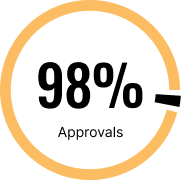
Our clients get their
visa on the first try
WHAT YOU GET WITH US
— AND WHAT YOU LOSE WITHOUT US
C VISA AGENCY
- We provide a ready-made plan — no googling or doubts
- We double-check the application — no errors, no refusals
- We know how to present finances so you are trusted
- We find a slot in days, not months
- We book a hotel without payment — your money stays with you
- In case of refusal — free resubmission and a new strategy
- We guide you to the stamp. 98% get their visa on the first try
ON YOUR OWN WITHOUT US
- You read forums for hours — and aren't sure it's right
- Mistake in the application → refusal → black mark in the embassy
- You don't know how to present finances to be trusted
- You search for a slot yourself — and wait 2–4 months
- Tickets and hotel are paid. No visa. Money is frozen
- You got a refusal — and don't know what to do next
- Time, nerves, and money — all on you. No guarantees
RESULTS WE ARE PROUD OF


EVERYTHING YOU NEED TO KNOW BEFORE APPLYING
Do Ukrainians and Belarusians need a visitor visa to Canada?
Is an invitation required for a Canada visitor visa?
What should be included in the invitation letter?
Does the host’s status in Canada affect the visa decision?
Can I apply for a Canada visitor visa while staying in Poland?
Do I need to visit the Canadian embassy in person?
How much does a Canada visitor visa cost?
How long does the Canada visitor visa process take?
How long is a Canada visitor visa valid?
How long can I stay in Canada with a visitor visa?
Can I work in Canada with a visitor visa?
How much money should I have in my bank account for a visitor visa?
Do I need to buy tickets and book a hotel before applying?
What are the main reasons for refusal of a Canada visitor visa?
What should I do if I was already refused a Canada visitor visa?
Does a Polish residence card improve my chances?
Does having a US visa improve my chances of getting a Canada visitor visa?
How is the Canada visitor visa issued?
Is previous travel history considered during the application?
Can I apply for a Canada visitor visa without knowing English?
NOT SURE IF YOU WILL
GET A VISA?
This is exactly where we start. Free assessment
in 15 minutes — and you will know exactly what to do next.
- Leave a request — 1 minute
- Get your chances assessed — 15 minutes
- Get a visa — from 5 days
By submitting this form, you agree to the processing of personal data.
OTHER DESTINATIONS


Visiting friends or relatives in Canada requires the participation of both parties: the one inviting and confirming that they are truly expecting a guest, and the one applying for a visa, who presents their side of the story: who is going, why, with what money, and what ties them to home. If these two sides don't align, a beautiful invitation won't save the situation.
Therefore, a visitor visa to Canada requires work with both the applicant and the host. Visa Agency verifies both sides of the case: assisting with the invitation, financial documents, application form, and IRCC submission, ensuring that the information is consistent and the trip appears exactly as it actually is. This increases your chances of visiting your loved ones as quickly as possible.
What is a visitor visa to Canada and who is it suitable for?
There is no separate visa ""for visitors"" in the Canadian system. To visit relatives or friends, a regular Visitor Visa (also known as a Temporary Resident Visa, or TRV) is issued. The invitation and application must indicate the actual purpose of the visit: who the person is visiting, for how long, and where they intend to live.
This option is suitable for those who, based on their citizenship, require a visa to enter Canada. On the other hand, for some travelers, an eTA is sufficient instead, so it is worth first checking the requirements for your passport and method of travel.
Who can apply for a visitor visa to Canada
There is no list of ""correct"" relatives for a Canadian visitor visa. You can visit your parents, children, brother or sister, partner, friends, and other people living in Canada. What is more important is not the degree of relationship, but how plausibly the trip itself is explained.
IRCC will look to see if The applicant's funds for the visit, their ties to their country of residence, and whether there are any grounds for ineligibility for entry into Canada. Therefore, two people with the same invitations may receive different decisions: not only the host party, but also each guest's situation is assessed.
What documents are needed for a visitor visa to Canada?
IRCC does not provide a ""universal set of documents for all visitors."" After selecting the purpose of the trip, the system generates a personalized list, and the package itself must show three things: who is traveling, with whom, and with what funds. But basically, it should contain:
- Passport;
- Residency status in the country of residence (if applying outside the country of citizenship);
- A photo taken in accordance with all requirements listed on the IRCC website:
- Bank statements and other proof of the applicant's financial status;
- Documents Work, study, business, family, and/or property information that demonstrates ties to the country of residence;
- Information about previous trips and visas;
- Travel plan with expected dates;
- An invitation from a person in Canada, if used in the case;
- Proof of relationship or communication with the inviter;
- Documents confirming the host's status in Canada;
- Additional documents from the personal IRCC checklist.
If the inviter is covering part of the expenses, confirmation from them will be required. Documents proving kinship can range from birth or marriage certificates to correspondence and joint photographs when there is no formal family relationship.
Requirements for an invitation to Canada
The invitation is written by the person who lives in Canada. A notarized document of several pages is not required: IRCC prioritizes specificity and consistency with the guest's application. However, the host will still need to gather some information:
- Full details of the inviter and their address in Canada;
- Proof of citizenship or permanent resident status;
- Details of the person being invited;
- The nature of the relationship between the parties;
- Purpose and intended dates of travel;
- Residential address of the guest;
- Information about who is paying for travel, accommodation, and other expenses;
- Intended date of departure from Canada.
A Canadian visa is not issued based on this invitation letter alone. It helps confirm the purpose of the visit, but IRCC still evaluates the applicant separately. and their right to temporary entry.
How to apply for a visitor visa to Canada
The main work takes place in the IRCC personal account. There, the applicant fills out information about themselves and their trip, attaches an invitation and other documents, pays the fees, and submits everything for review.
From there, IRCC itself will inform you of the requirements for a specific case. Some people only need to submit biometrics, while others may be required to provide additional documents, a medical examination, or an interview.
If the decision is positive, the applicant is sent instructions for submitting their passport. The visa is affixed to the passport after approval, so the letter from IRCC itself is not yet a valid travel document.
Do I need to submit biometrics?
For a visitor visa, biometrics are required for most applicants. After submitting, IRCC sends a letter with instructions, after which the application must be submitted. Fingerprints and a photograph must be taken at an official biometrics collection center. A separate digital photo with a white background must also be uploaded to your personal account on the website.
If biometrics have already been submitted for a Canadian Visitor Visa, Study Permit, or Work Permit, it is typically valid for 10 years and does not require a repeat application. Children under 14 and applicants over 79 are also exempt from this requirement.
How long does it take to process a Canadian visitor visa?
There is no standard processing time: IRCC calculates it separately for each country the applicant is applying from. The published processing time is a guideline, not a guarantee. It depends on the workload, completeness of the application, and the need for additional checks.
If IRCC requests new documents, a medical examination, or an interview, the processing time may be delayed. Therefore, it is best to check the current processing time immediately before submitting via the official Processing service. Times.
Visitor Visa Processing Cost
IRCC charges 100 CAD per person for processing a visitor visa. If biometrics are required, an additional 85 CAD is added. For a family of five or more applying at the same time, the visa fee is capped at 500 CAD, and the family biometrics fee is a maximum of 170 CAD.
This fee is for processing the application, so it is non-refundable if it is refused. You will have to pay the visa fee again when reapplying.
Why a Visitor Visa to Canada May Be Denied
For IRCC, it is important that the trip appears temporary and logical. If the applicant cannot clearly explain the purpose of the visit, length of stay, expenses, or source of funds, the officer has reason to doubt the application.
Ties to the country of residence are assessed separately. Work, family, property, and other circumstances help Demonstrate that the person will actually return home after the trip. A visit that is too long can also raise questions if it doesn't align with the stated purpose.
Past immigration violations, criminal records, hidden refusals, and false statements can all be problems. Fortunately, IRCC has recently begun providing reasons for refusal, and for most visitor visas, it also sends officer notes with a more detailed explanation. Therefore, before resubmitting, you can first understand what exactly IRCC didn't like and then correct any weak points in your application.
Why Apply for a Visitor Visa through a Visa Agency
When applying for a visitor visa, it's easy to get confused between the documents of the applicant and the host. Visa Agency helps you assemble both parts so that they don't contradict each other:
- We check the applicant and the inviter's situation;
- We help prepare the invitation;
- We check the financials Documents;
- We complete the application and upload the files to IRCC;
- We schedule your biometrics;
- We respond to additional IRCC inquiries;
- We analyze the reasons for refusal and prepare a resubmission, if necessary.
However, the decision is always up to IRCC. Our goal is to ensure your application is clear, complete, and free of any unnecessary errors. See for yourself: request a free consultation, during which Visa Agency experts will analyze your case and increase your chances of traveling to Canada to visit friends or family!
CONTACTS
-
Our address Konstruktorska 11, 02-673 Warszawa
-
Email [email protected]
-
Phone number +48 573 580 955