



Wiza studencka F-1 do USA na kursy językowe — pod klucz z Visa Agency
Chcesz uczyć się angielskiego w USA? Pomagamy wybrać szkołę w dużych amerykańskich miastach, uzyskujemy formularz I-20 za Ciebie i prowadzimy cały proces aż do wizy w paszporcie.
JAKIE DOKUMENTY
SĄ POTRZEBNE DO WIZY
Zestaw podstawowy
- Paszport zagraniczny ważny minimum 6 miesięcy
- Potwierdzenie legalnego pobytu w Polsce: wiza, karta pobytu, PESEL UKR
- Formularz I-20 z akredytowanej szkoły językowej w USA — uzyskujemy go za Ciebie
- Wypełniony formularz DS-160 z potwierdzeniem i kodem kreskowym
- Zdjęcie 5×5 cm według wymagań Ambasady USA
- Potwierdzenie opłaty wizowej MRV (185 dolarów)
- Potwierdzenie opłaty SEVIS (350 dolarów)
W zależności od statusu
- Pracujący: zaświadczenie z pracy, umowa o pracę, potwierdzenie, że pracodawca wie o wyjeździe
- Studenci: zaświadczenie z uczelni w Polsce
- Przedsiębiorcy: dokumenty rejestracyjne, zeznania podatkowe, potwierdzenie dochodów
Wzmocnij sprawę
- Potwierdzenie częściowej opłaty za kurs
- Dokumenty potwierdzające więzi rodzinne w Polsce lub Europie
- Akt własności lub umowa najmu w Polsce
- Poprzednie wizy do USA, Wielkiej Brytanii lub Kanady
- Certyfikaty i dyplomy potwierdzające wartość zawodową języka angielskiego
- Wyciąg bankowy z ostatnich 3–6 miesięcy
Konsultacja
Analizujemy Twoją sytuację: poziom angielskiego, budżet, preferowane miasto i terminy nauki. Oceniamy szanse i wybieramy strategię wizową.
Dobór szkoły językowej
Dobieramy szkołę partnerską w USA według Twoich oczekiwań. Pracujemy ze szkołami w Nowym Jorku, Miami, Bostonie, San Francisco i Atlancie.
Uzyskanie formularza I-20
Składamy wniosek do szkoły i otrzymujemy oficjalny formularz I-20. Czas oczekiwania to zwykle 10–14 dni.
Opłaty
Pomagamy opłacić SEVIS (350 dolarów) i opłatę konsularną MRV (185 dolarów) przez oficjalne systemy.
Formularz DS-160
Wypełniamy formularz DS-160 i przygotowujemy stronę potwierdzenia z kodem kreskowym na rozmowę.
Rozmowa
Rezerwujemy rozmowę w Ambasadzie USA w Warszawie lub Konsulacie USA w Krakowie na najbliższy dostępny termin.
Przygotowanie do rozmowy
Przygotowujemy Cię naszą metodą: omawiamy pytania konsula i ćwiczymy pewne odpowiedzi.
Decyzja wizowa
Decyzja zwykle zapada podczas rozmowy. Po zatwierdzeniu paszport z wizą wraca kurierem w ciągu 3–5 dni roboczych.
Szkoły partnerskie w USA:
Atlanta | Boston | Nowy Jork | San Francisco | Miami
Terminy:
- Konsultacja i dobór szkoły: 1–2 dni
- Oczekiwanie na formularz I-20 ze szkoły: 10–14 dni
- Wypełnienie DS-160 i opłaty: 2–5 dni
- Oczekiwanie na datę rozmowy: od 1 do 3 tygodni
- Paszport po zatwierdzeniu: 3–5 dni roboczych kurierem
Zasady wjazdu:
- Ważność wizy: od 1 roku do 5 lat
- Wjazd do USA: nie wcześniej niż 30 dni przed datą rozpoczęcia kursu
- Pobyt po zakończeniu kursu: 60 dni
- Wielokrotny wjazd: przy ważnej wizie i podpisanej I-20
Ambasada USA w Warszawie
Konsulat USA w Krakowie
TWOJA
WIZA
Twój cel, z powodu którego się do nas zwróciłeś — zatwierdzona wiza w rękach.

NASZA
PRACA
Pełne wsparcie: od wypełnienia ankiety po odbiór paszportu.

Dwa razy odkładałam — myślałam, że odmówią. Zespół znalazł słabe punkty i je poprawił. Wiza w paszporcie!
bibosinkaPAŃSTWA WIZA
JUŻ WKRÓTCE!
- Cała biurokracja po naszej stronie — Państwo tylko przychodzą na rozmowę.
- Uczciwa ocena szans przed rozpoczęciem pracy — bez pustych obietnic.
- Opieka od A do Z — od pierwszej konsultacji do stempla w paszporcie.
UMÓW BEZPŁATNĄ
KONSULTACJĘ
Oddzwonimy w ciągu 15 minut — ocenimy szanse i powiemy, czego potrzebują Państwo właśnie teraz
Wysyłając formularz, wyrażają Państwo zgodę na przetwarzanie
danych osobowych.
TY TYLKO MARZYSZ
MY ZAJMUJEMY SIĘ RESZTĄ
Od pierwszego pytania „jaka wiza będzie odpowiednia?” do momentu, gdy
trzymasz stempel w paszporcie
 KROK 1
Dobierzemy szkołę
Nowy Jork, Miami albo inne miasto, kurs intensywny lub standardowy — analizujemy Twoje cele i wybieramy najlepszą opcję spośród szkół partnerskich w 5 miastach USA.
 KROK 2
Uzyskamy I-20
za Ciebie
Składamy wniosek do szkoły i otrzymujemy oficjalny formularz I-20 — nie musisz samodzielnie ogarniać amerykańskiej szkoły.
 KROK 3
Wypełnimy DS-160
bez błędów
Jeden błąd we wniosku może skończyć się odmową. Wypełniamy wszystko i sprawdzamy każde pole.
 KROK 4
Umówimy na
rozmowę
Rezerwujemy termin w Warszawie, Krakowie albo stolicy innego kraju. Czas oczekiwania: od kilku dni do kilku tygodni.
 NAJWAŻNIEJSZE
Opieka
od A do Z
Pytanie o 22:00? Odpowiadamy. Konsul poprosił o dodatkowe dokumenty? Już je przygotowujemy. Nie zostajesz sam z systemem.
 INDYWIDUALNIE
Dwie sesje
przygotowania do rozmowy
Prowadzimy dwie sesje naszą metodą. Znasz pytania konsula z wyprzedzeniem i wiesz, jak odpowiadać.
GWARANCJA
Pracujemy do
skutku
Przy odmowie analizujemy przyczynę, usuwamy słabe punkty i składamy ponownie bezpłatnie.
NIE AGENCJA —
ZESPÓŁ, KTÓRY
ODPOWIADA ZA WYNIK
Fizyczne biuro, oficjalna umowa i osobisty
menedżer dla każdej sprawy
- Biuro w Warszawie — można odwiedzić nas osobiście
- Działamy oficjalnie, na podstawie umowy o świadczenie usług
- Obsługujemy wizy do ponad 10 krajów — znamy wymagania każdego z nich
- Osobisty menedżer prowadzi Państwa sprawę aż do stempla w paszporcie
Nasi klienci otrzymują
wizę za pierwszym razem
CO ZYSKUJĄ PAŃSTWO Z NAMI — I CO TRACĄ BEZ NAS
Z VISA AGENCY
- Dajemy gotowy plan — bez przeszukiwania internetu i wątpliwości
- Sprawdzamy formularz dwukrotnie — bez błędów i bez odmowy
- Wiemy, jak przedstawić finanse, by wzbudzić zaufanie
- Znajdujemy termin w ciągu dni, a nie miesięcy
- Rezerwujemy hotel bez płatności — pieniądze zostają u Państwa
- Po odmowie — bezpłatne ponowne złożenie wniosku i nowa strategia
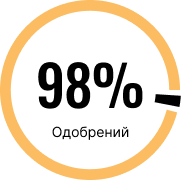
- Prowadzimy do stempla. 98% otrzymuje wizę za pierwszym razem
SAMODZIELNIE BEZ NAS
- Godzinami czytają Państwo fora — i nadal nie są pewni, czy robią to dobrze
- Błąd w formularzu → odmowa → negatywna notatka w ambasadzie
- Nie wiedzą Państwo, jak przedstawić finanse, by wzbudzić zaufanie
- Sami szukają terminu — i czekają 2–4 miesiące
- Bilety i hotel opłacone. Wizy brak. Pieniądze zamrożone
- Otrzymali Państwo odmowę — i nie wiedzą, co robić dalej
- Czas, nerwy i pieniądze — wszystko na Państwa. Bez gwarancji
WYNIKI, Z KTÓRYCH JESTEŚMY DUMNI


WSZYSTKO, CO WARTO WIEDZIEĆ PRZED ZŁOŻENIEM WNIOSKU
Co to jest wiza F-1 i do czego służy?
Co to jest formularz I-20 i dlaczego jest potrzebny?
W jakich miastach USA są wasze szkoły partnerskie?
Czy trzeba znać angielski, żeby dostać wizę F-1 na kursy językowe?
Czy trzeba opłacić kursy przed otrzymaniem wizy?
Ile kosztują opłaty państwowe za wizę F-1?
Czy da się dostać wizę F-1 z pustym paszportem?
Czy można przyjść na rozmowę z tłumaczem?
Jakie pytania padają na rozmowie o wizę F-1?
W jakim czasie można dostać wizę F-1?
Kiedy można wjechać do USA po otrzymaniu wizy?
Na jaki okres wydawana jest wiza F-1?
Ile można przebywać w USA na wizie F-1?
Czy można pracować w USA na wizie F-1 na kursach językowych?
Czy udział w loterii Green Card wpływa na wizę F-1?
Czy można złożyć wniosek o F-1 całą rodziną?
Czy można wyjeżdżać z USA i wracać w trakcie nauki?
Co jeśli kurs się skończył, a wiza jeszcze działa?
W jakim kraju można składać wniosek o F-1?
Co zrobić, jeśli już była odmowa wizy F-1?
NIE WIADOMO, CZY DOSTANĄ PAŃSTWO
WIZĘ?
Właśnie od tego zaczynamy. Bezpłatna ocena
w 15 minut — i jasno wiedzą Państwo, co robić dalej.
- Zostawiają Państwo zgłoszenie — 1 minuta
- Otrzymują Państwo ocenę szans — 15 minut
- Otrzymują Państwo wizę — od 5 dni
Wysyłając formularz, wyrażają Państwo zgodę na przetwarzanie danych osobowych.


You can learn English at home using an app, in evening classes, or with a teacher via video call. But the language feels completely different when you spend the entire day using it: ordering coffee, asking for directions, solving everyday problems, meeting new people. Therefore, for many, spending a few months in the US to fully immerse themselves in English becomes not just a course of study, but a separate stage of life.
If the trip is specifically focused on studying, an F-1 student visa is issued for the US. First, you need to enroll in a suitable program, and then the visa process begins. Visa Agency helps you through the entire process, from choosing a language school to preparing your application and rozmowa at the consulate, significantly reducing the likelihood of rejection on your first application!
What is a US student visa for language courses?
Language courses come in many different forms. You can take a few lessons during your vacation and still remain a regular tourist. Or you can come to the US for a full-time program, where English takes up most of the week and the entire trip is built around it. In the latter case, an F-1 visa is required.
This category is intended, among other things, for language training programs and allows you to study in the US while maintaining student status. A regular B-2 visa is not suitable for this type of study: it only allows short, recreational courses that do not earn academic credits and do not lead to a degree or certificate.
Who can obtain an F-1 student visa?
You might meet a recent graduate, an entrepreneur, a professional with ten years of experience, or someone who wants to brush up on their English before the next stage of their career. An F-1 visa is not tied to a specific profession and does not require the applicant to have already been a student in their home country.
For the visa, the applicant must be accepted into a full-time educational program and travel to the US specifically as a temporary student. After completing your studies, you're expected to leave the country, so the F-1 remains a nonimmigrant category.
Which language courses qualify for a visa?
Choosing a school based solely on city, price, and schedule for an F-1 student isn't possible. The educational institution must be certified by the Student and Exchange Visitor Program and authorized to accept foreign students in this category. You can check the official SEVP registry.
There's another requirement for English language programs: the language school itself or its English language program must be accredited by an organization recognized by the U.S. Department of Education. Therefore, the popularity of a course or good reviews doesn't necessarily mean it's suitable for a student visa.
The course must be a full-time, in-person course. Programs designed primarily for distance learning don't allow for the required F-1 academic workload.
What documents are needed for a student visa?
By the time of the rozmowa, the school has likely already been selected and admission has been secured, so some of the documents are directly related to future studies. Please bring the following:
- A valid passport;
- A DS-160 confirmation page;
- Form I-20 signed by the school representative and the student;
- Proof of payment of the I-901 SEVIS Fee;
- A receipt for payment of the visa fee, if required by the chosen consulate;
- A photograph, if one was not uploaded when completing the DS-160.
The consular officer may also request documents proving previous education: a certificate, diploma, transcript, or exam results, if relevant to the application. For an adult applicant, information about their current employment or business will be useful, especially if the language courses are related to future professional plans.
Financial verification documents are also prepared in advance. Their content depends on the tuition and living expenses specified by the school.
What is an I-20 and how to get one
The I-20 confirms that the school has accepted the international student into the program and entered their information into the SEVIS system. The document is issued not by a visa agency or consulate, but by an authorized employee of the educational institution—a Designated School Official. The I-20 will then be needed for the DS-160 and the F-1 rozmowa.
Before issuing the form, the school must complete the admissions process and verify that funds are sufficient for tuition and living expenses. The I-20 details the program itself, its start and end dates, estimated expenses, and sources of funding. Once completed, the document is signed by a school representative, and then by the student.
If a person is considering several language schools, they should apply for a visa with an I-20 from the one where they actually intend to study.
What is SEVIS and why pay the I-901 fee?
After the I-20 is issued, the student receives a SEVIS ID. This is necessary because the student's academic program and status as an international student are recorded in the Student and Exchange Visitor Information System. Through this system, schools and US agencies can see where and what program the student is studying.
For F-1 students, the I-901 SEVIS Fee is paid separately – currently $350. This fee is not included in the visa application fee. It is paid before applying for the F-1, and it is best to keep proof of payment for the rozmowa. Spouses and children traveling as F-2 visa applicants receive their own I-20s, but do not pay a separate I-901.
How to Złóż wniosek o Student Visa for Language Courses
Once the I-20 is in hand and the SEVIS fee has been paid, the consular process begins. The student completes the DS-160, saves the confirmation page with the barcode, registers in the scheduling system of the selected consulate, and pays the visa fee. After this, they can select an available rozmowa date.
Starting in July 2026, appointments must be made in the country of citizenship or residence. For example, a Ukrainian with a residence permit in France or Germany can have their rozmowa in their actual country of residence, but the consulate has the right to request proof of local status. Applying in a third country without citizenship or residency has become less predictable.
On the appointed day, the student appears at the consulate with their passport, I-20, DS-160 confirmation, and other documents. The rozmowa itself for F-1 applicants remains a standard part of the procedure.
How to Pass a Student Visa Interview
A student has one task at the rozmowa: to relate the chosen courses to their real life. The consular officer may ask why they need English now, why they chose this particular school, how long the program will last, and what they plan to do upon their return. If an adult professional suddenly leaves for six months to study the language, it's better to be able to explain this choice specifically, rather than simply saying ""I want to improve my English.""
Funds for tuition and living expenses are checked separately. Answers about a sponsor, personal savings, or income must match those on the I-20 and financial documents. The same applies to education, work, and post-course plans: the DS-160, documents, and rozmowa statements should not tell three different stories.
In 2026, online presence verification will also be in effect for F-1 visa applicants. The State Department is asking applicants to make their social media profiles publicly viewable. Therefore, rozmowa preparation now includes not only a conversation with the consular officer but also a routine check to ensure that publicly available information does not contradict the stated circumstances.
How to prove financial solvency
The student already has a budget estimate: on the I-20, the school lists the estimated cost of tuition, housing, and other expenses. Financial documentation must demonstrate that this money is actually available and not just deposited into an account the day before the rozmowa.
The source can vary. Some students pay for their courses from their own savings, while others receive assistance from family, an employer, or another sponsor. In this case, bank statements, income documents, scholarship confirmation, or a letter from the person covering the expenses, along with evidence of their financial means, will be helpful.
The consular officer looks not at just one ""correct"" figure, but at whether the funds are sufficient for the stated period and how clear their origin is. For a long-term program, it's especially important to explain how the student will be able to cover their studies and living expenses in the US beyond just the first few weeks.
Can I work while studying?
The F-1 visa doesn't prohibit students from working, but for language courses, the opportunities are significantly narrower than for college and university students. While studying, you can work on campus for up to 20 hours per week, and full-time during official vacations. Before starting such work, it's best to coordinate it with the DSO to ensure it complies with student status regulations.
Off-campus work is more complicated. Standard CPT and OPT programs are not available to English language training students. Off-campus employment authorization is only available in certain cases, such as cases of severe, unforeseen financial hardship after at least one academic year of study, and is processed through USCIS.
Therefore, you cannot rely on part-time work as your primary source of income for your studies. Funding for your program and living expenses must be confirmed before receiving your visa.
How long does it take to process a student visa?
For F-1 visas, the processing time largely depends on the consulate where the rozmowa takes place. The wait list fluctuates throughout the year, so the State Department publishes up-to-date information in Global Visa Wait Times and advises students to apply early. A new F-1 visa can be issued as early as 365 days before the program start date on the I-20.
After the rozmowa, the visa is not always issued immediately. The consular officer may submit the application for administrative processing or request additional information, and the duration of such a review cannot be determined in advance. The passport delivery time after approval also varies by consulate.
Therefore, it is best to base your application on the I-20 start date and allow for an appointment, rozmowa, and any additional review.
Student Visa Application Cost
Before the rozmowa, students pay two mandatory fees. The MRV fee for an F-1 visa is $185, and the I-901 SEVIS Fee is $350. The total government fees are $535.
After approval, some nationalities may be subject to an additional visa issuance fee. The presence and amount of this fee depend on the applicant's passport. For example, there is currently no such fee for Ukrainian citizens on F-1 visas.
Why a student visa might be denied
For F-1 visas, the consular officer is required to see a clear educational objective, realistic funding for tuition, and post-program plans. Refusal is more likely if:
- The choice of language school and the duration of the course are poorly aligned with the applicant's background and plans;
- Financial documents do not cover the expenses listed on the I-20, or the source of the funds is unclear;
- The rozmowa answers are inconsistent with the DS-160 and documents;
- The consular officer is not convinced that the student will leave the United States after completing their studies;
- False information, past visa violations, or other grounds for refusal are discovered.
In some cases, the application is not permanently rejected, but transferred to additional review under 221(g).
Why Złóż wniosek o Student Visa Through a Visa Agency
For F-1 students, visa processing begins even before the DS-160. First, you need to find a school that accepts your student visa, go through the admissions process, and obtain an I-20. Only then do you pay SEVIS, the consular fee, the application form, and the rozmowa. If you rework the process at every stage, it's easy to end up with documents that don't align with each other.
At Visa Agency, the entire process is handled as a single case:
- Select a language school based on the city, program duration, and budget;
- Help submit documents to the school and obtain a Form I-20;
- Accompany with payment of the I-901 SEVIS Fee and MRV fee through official systems;
- Complete the DS-160 based on the student's information and the chosen program;
- Help determine the consulate based on citizenship and country of residence;
- Schedule an rozmowa;
- Check the documents the student brings to the consulate;
- Separately discuss the student's educational goal and how it relates to work, education, and Future plans;
- They conduct two rozmowa preparation sessions and practice potential questions;
- They support the student if additional information is needed after the rozmowa;
- If the student is rejected, they review the previous application and help prepare for the re-application.
The school itself makes the admissions decision and issues the I-20, and the visa is issued by the US consulate. The Visa Agency is responsible for ensuring that the application remains consistent between these stages and that the student comes to the rozmowa prepared. Submit your application, and we'll see what we can do for you!
KONTAKT
-
Nasz adres Konstruktorska 11, 02-673 Warszawa
-
Email [email protected]
-
Numer telefonu +48 573 580 955