


Odpowiedz na 5 pytań
i poznaj realne szanse na wizę w kilka minut.


Krok 1 z 6
Krok 6 z 6
Ostatni krok!
Podaj kontakt i otrzymaj wynik
Wysyłając formularz, zgadzasz się na przetwarzanie danych osobowych.
Krok 6 z 6
Analizujemy Twoje odpowiedzi...
Sprawdzamy wprowadzone dane
Korea Południowa Wiza Biznesowa przez Polskę - Turnkey z Visa Agency
Podróż do Korei Południowej na negocjacje, konferencję czy spotkanie biznesowe? Zajmujemy się całym procesem - od dokumentów biznesowych do wizy elektronicznej dostarczonej na e-mail. Rozumiemy specyfikę składania wniosków z Polski dla Ukraińców, Białorusinów i innych narodowości.
JAKIE DOKUMENTY
SĄ POTRZEBNE DO WIZY
Pakiet podstawowy
- Ważny paszport (minimum 6 miesięcy ważności)
- Dowód legalnego pobytu w Polsce (wiza, karta pobytu, PESEL UKR)
- Wypełniony formularz wniosku wizowego (formularz konsulatu Korei Południowej)
- Zdjęcie spełniające wymagania konsulatu koreańskiego
- List z zaproszeniem od koreańskiej firmy lub organizacji
- List od pracodawcy potwierdzający podróż służbową
- Rezerwacja lotów w obie strony
- Rezerwacja hotelu
- List motywacyjny
- Plan podróży służbowej
Na podstawie twojej sytuacji
- Pracownicy: certificate of employment indicating position, salary, and tenure, employment contract, business trip confirmation from the employer, confirmation of who pays for the trip
- Przedsiębiorcy i właściciele przedsiębiorstw:dokumenty rejestracyjne przedsiębiorstwa, sprawozdania podatkowe, umowy z partnerami koreańskimi, korespondencja biznesowa z stroną koreańską
- Wolontariusze:umowy z klientami, wyciągi bankowe potwierdzające stały dochód, rejestracja jako jedyny właściciel lub osoba samozatrudniona
Dokumenty dodatkowe
- Poprzednie wizy do Korei Południowej, Japonii, USA, Wielkiej Brytanii
- Historia podróży do krajów UE
- Dokumenty dotyczące rodziny w Polsce lub Europie
- Sprawozdanie bankowe za ostatnie 3-6 miesięcy
- Nieruchomości lub dokumenty najmu w Polsce
- Program konferencji lub imprezy biznesowej
- Umowy i korespondencja biznesowa ze stroną koreańską
- Rejestracja na wydarzenie biznesowe w Korei Południowej
- List sponsorski firmy koreańskiej
Konsultacje
We analyze your business situation: type of employment, purpose of the trip, company documents. We select an application strategy and honestly assess your chances — even before the first payment.
Przygotowanie dokumentów handlowych
We help to correctly format the invitation letter from the Korean company and the letter from your employer — with the precise wording that covers all the consulate's questions. The Korean consulate has strict requirements for business documents.
Wypełnianie wniosku
We fill out the application according to the Korean consulate's form. We double-check every field — a mistake in the application can lead to a delay or refusal.
Przygotowanie pełnego pakietu dokumentów
We prepare the complete package: application, business invitation, employer's letter, financial documents, motivation letter, business trip plan, hotel and flight reservations, and everything else tailored to your situation.
Składanie dokumentów do konsulatu
Documents are submitted in person to the Consulate of South Korea in Warsaw. We accompany the submission and assist at every stage.
Przegląd wniosków
The standard review period is 5 to 7 working days. The South Korean consulate works efficiently and quickly — delays are rare with a properly prepared document package.
Pokwitowanie wizy
The South Korea visa arrives electronically via email. Print it out and present it during boarding at the airport and at passport control upon entering the country.
Czas przetwarzania i emisji:
- Przygotowanie sprawy z nami: od 3 do 14 dni
- Oczekiwanie na datę złożenia wniosku: od 1 do 3 tygodni
- Okres przeglądu konsulatu: od 5 do 7 dni roboczych
- Otrzymanie e-wizy przez e-mail: 1-2 dni po zatwierdzeniu
Okres ważności i zasady wjazdu:
- Ważność wizy jednoosobowej: 3 miesiące od daty wydania
- Ważność wizy wielokrotnego wjazdu: do 5 lat
- Czas trwania pobytu na wpis: do 90 dni
- Praca dla koreańskiej firmy na wizie biznesowej jest zabroniona
- Wiza elektroniczna - druk i obecność na lotnisku
- Wjazd jest możliwy tylko w okresie ważności wizy
Konsulat Korei Południowej w Warszawie
TWOJA
WIZA
Twój cel, z powodu którego się do nas zwróciłeś — zatwierdzona wiza w rękach.

NASZA
PRACA
Pełne wsparcie: od wypełnienia ankiety po odbiór paszportu.

Dwa razy odkładałam — myślałam, że odmówią. Zespół znalazł słabe punkty i je poprawił. Wiza w paszporcie!
bibosinkaPAŃSTWA WIZA
JUŻ WKRÓTCE!
- Cała biurokracja po naszej stronie — Państwo tylko przychodzą na rozmowę.
- Uczciwa ocena szans przed rozpoczęciem pracy — bez pustych obietnic.
- Opieka od A do Z — od pierwszej konsultacji do stempla w paszporcie.
UMÓW BEZPŁATNĄ
KONSULTACJĘ
Oddzwonimy w ciągu 15 minut — ocenimy szanse i powiemy, czego potrzebują Państwo właśnie teraz
Wysyłając formularz, wyrażają Państwo zgodę na przetwarzanie
danych osobowych.
TY TYLKO MARZYSZ
MY ZAJMUJEMY SIĘ RESZTĄ
Od pierwszego pytania „jaka wiza będzie odpowiednia?” do momentu, gdy
trzymasz stempel w paszporcie
 KROK 1
Będziemy analizować Twoją sytuację biznesową
Pracownik, przedsiębiorca lub wolny strzelec - każdy ma własną strategię. Analizujemy i od razu mówimy, czego dokładnie potrzebujesz.
 KROK 2
Przygotujemy dokumenty biznesowe
Konsulat koreański ma ścisłe wymagania dotyczące dokumentów handlowych. Piszemy list z zaproszeniem od koreańskiej firmy i list pracodawcy, aby konsulat dostrzegł wyraźny cel biznesowy.
 KROK 3
Wypełnimy aplikację
i przygotujemy dokumenty
Jeden błąd we wniosku oznacza opóźnienie lub odmowę. Robimy wszystko sami i sprawdzamy dwa razy.
 KROK 4
Będziemy towarzyszyć
konsulat składania
Towarzyszy nam złożenie dokumentów do konsulatu Korei Południowej w Warszawie - pomoc na każdym etapie.
 NAJWAŻNIEJSZE
Wsparcie od A do Z -
jesteśmy z Tobą na każdym kroku
Pytanie o 22: 00? Odpowiadamy. Konsulat poprosił o dodatkowe dokumenty? Już je przygotowujemy. Nie jesteś sam z systemem.
 INDYWIDUALNIE
Metoda indywidualna
dla każdego przypadku
Ukraiński, białoruski, wolny strzelec lub właściciel biznesu - każdy ma własną strategię. Wybieramy podejście, które działa konkretnie w twojej sytuacji.
GWARANCJA
Pracujemy do
wynik
W przypadku odmowy, analizujemy powód, eliminujemy go i aplikujemy ponownie - za darmo.
NIE AGENCJA —
ZESPÓŁ, KTÓRY
ODPOWIADA ZA WYNIK
Fizyczne biuro, oficjalna umowa i osobisty
menedżer dla każdej sprawy
- Biuro w Warszawie — można odwiedzić nas osobiście
- Działamy oficjalnie, na podstawie umowy o świadczenie usług
- Obsługujemy wizy do ponad 10 krajów — znamy wymagania każdego z nich
- Osobisty menedżer prowadzi Państwa sprawę aż do stempla w paszporcie
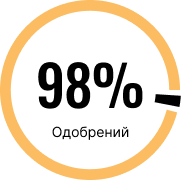
Nasi klienci otrzymują
wizę za pierwszym razem
CO ZYSKUJĄ PAŃSTWO Z NAMI — I CO TRACĄ BEZ NAS
Z VISA AGENCY
- Dajemy gotowy plan — bez przeszukiwania internetu i wątpliwości
- Sprawdzamy formularz dwukrotnie — bez błędów i bez odmowy
- Wiemy, jak przedstawić finanse, by wzbudzić zaufanie
- Znajdujemy termin w ciągu dni, a nie miesięcy
- Rezerwujemy hotel bez płatności — pieniądze zostają u Państwa
- Po odmowie — bezpłatne ponowne złożenie wniosku i nowa strategia
- Prowadzimy do stempla. 98% otrzymuje wizę za pierwszym razem
SAMODZIELNIE BEZ NAS
- Godzinami czytają Państwo fora — i nadal nie są pewni, czy robią to dobrze
- Błąd w formularzu → odmowa → negatywna notatka w ambasadzie
- Nie wiedzą Państwo, jak przedstawić finanse, by wzbudzić zaufanie
- Sami szukają terminu — i czekają 2–4 miesiące
- Bilety i hotel opłacone. Wizy brak. Pieniądze zamrożone
- Otrzymali Państwo odmowę — i nie wiedzą, co robić dalej
- Czas, nerwy i pieniądze — wszystko na Państwa. Bez gwarancji
WYNIKI, Z KTÓRYCH JESTEŚMY DUMNI


WSZYSTKO, CO WARTO WIEDZIEĆ PRZED ZŁOŻENIEM WNIOSKU
Czy potrzebuję osobnej wizy biznesowej dla Korei Południowej, czy jest wystarczająco wizy turystycznej?
Czy Ukraińcy i Białorusini potrzebują wizy biznesowej dla Korei Południowej?
Czy zaproszenie od koreańskiej firmy jest obowiązkowe?
Co powinno być zawarte w zaproszeniu od koreańskiej firmy?
Czy potrzebuję listu od pracodawcy, jeśli mam jechać w podróż służbową?
Czy jedyny właściciel lub właściciel przedsiębiorstwa może uzyskać wizę biznesową do Korei Południowej?
Czy mogę pracować w Korei Południowej nad wizą biznesową?
Czy mogę ubiegać się o wizę biznesową w Polsce?
Ile kosztuje wiza biznesowa do Korei Południowej?
Na jak długo wydaje się wizę biznesową do Korei Południowej?
Ile czasu zajmuje uzyskanie wizy biznesowej do Korei Południowej?
Jak otrzymać południowokoreańską wizę biznesową?
Czy mogę połączyć cele biznesowe i turystyczne w jednej podróży?
Jakie są główne powody odmowy wydania wizy biznesowej Korei Południowej?
Co powinienem zrobić, jeśli już odmówiłem koreańskiej wizy?
Czy karta pobytu (karta pobytu) lub UKR PESEL w Polsce wpływa na szanse?
Czy posiadanie wizy japońskiej czy amerykańskiej ma wpływ na uzyskanie koreańskiej wizy biznesowej?
Czy muszę kupić bilety lotnicze przed otrzymaniem wizy?
Czy przy składaniu wniosku rozważana jest historia poprzednich podróży służbowych?
Czy mogę ubiegać się o wizę biznesową do Korei Południowej bez znajomości angielskiego?
NIE WIADOMO, CZY DOSTANĄ PAŃSTWO
WIZĘ?
Właśnie od tego zaczynamy. Bezpłatna ocena
w 15 minut — i jasno wiedzą Państwo, co robić dalej.
- Zostawiają Państwo zgłoszenie — 1 minuta
- Otrzymują Państwo ocenę szans — 15 minut
- Otrzymują Państwo wizę — od 5 dni
Wysyłając formularz, wyrażają Państwo zgodę na przetwarzanie danych osobowych.


You can fly to South Korea under the same contract for two completely different visa purposes. Discussing the supply of equipment and signing the contract is a business trip. Flying back to install or service the equipment is short-term work. In the first case, a C-3-4 visa is usually suitable, while in the second, a C-4 visa is required.
Therefore, the term ""business visa to South Korea"" is too broad. The consulate cares about what the person will do after entry, and an error in the visa category can ruin the entire application. When a client contacts Visa Agency, we discuss the purpose of the trip, the invitation, the applicant's responsibilities, and whether they can apply from their country of residence, and then put together a package tailored to their specific case.
What is a business visa to South Korea and who is it suitable for?
In the Korean system, a C-3-4 visa refers to a Short-Term Business Visa. This is a short-term category for individuals coming to the country for business, but not working for a Korean company or performing paid work locally. The permitted stay under the C-3 visa is typically no more than 90 days.
The C-3-4 visa is suitable when the applicant's primary employment or business remains outside of Korea, and the visit is for a temporary commercial purpose. If the individual is paid specifically for work in Korea or is actually traveling to provide services, a different category, usually the C-4, is required. Citizens of some countries may not need a separate C-3-4 visa at all due to the K-ETA or visa-free regime.
Who can apply for a business visa to South Korea?
The C-3-4 visa has an important feature: it is tied to the Korean host. The Korea Visa Portal specifically applies it to foreigners invited by a South Korean company. Therefore, a single job title or ""business"" entry is not required. The application form isn't sufficient.
Both business owners and employees can apply. The main thing is that the documents clearly indicate the applicant's organization and business ties with the Korean side. Therefore, consulate requirements often include proof of employment or business ownership, as well as documents from the inviting company.
If a person applies in a country other than their country of citizenship, additional requirements regarding the length and basis of local residence may apply. These should be verified with the specific consulate.
What are the purposes of a business visa?
The C-3-4 visa has a very specific logic: the person is not coming to work for the Korean company, but to resolve a commercial issue between the parties. In simple terms, they are not looking for a job and receiving a salary, but rather negotiating, participating in conferences, etc. Therefore, the requirements for this category include a very specific range of tasks:
- Researching the Korean market;
- Business meetings and consultations;
- Negotiations with partners;
- Agreeing and signing contracts;
- Small international trade transactions;
- Other short-term commercial activities without employment or remuneration for work in Korea.
There is a nuance regarding events: some Korean consulates classify conferences, exhibitions, or seminars as C-3-1 rather than C-3-4. Therefore, applying for a business visa simply because the trip is business-related is not enough: you must first determine which category best suits your visit.
What documents are needed for a business visa to South Korea?
You can't simply take a C-3-4 checklist from one Korean consulate and assume it's suitable for any country. The Korea Visa Portal directly directs applicants to the requirements of a specific diplomatic mission, and the consulates themselves supplement the basic package with their own terms and conditions.
However, differences in detail do not negate the general framework. For this type of visa, it is usually necessary to confirm both the applicant's status and their connection to the Korean side:
- Passport, completed application form, and photograph;
- Proof of legal residence in the country of application (if the applicant does not live in the country of citizenship);
- Employment certificate or documents confirming own business;
- An invitation from a Korean company indicating the Business Registration Number (this number must also be indicated in the applicant's application);
- Registration documents of the inviting party;
- Contract, invoices, delivery documents, or other proof of business relations;
- Financial documents, if required by the selected consulate (Mandatory confirmation of a certain amount in the bank balance if the applicant is sponsoring their trip);
- Information about the flight, accommodation, and itinerary, when they are included in Local list.
It's important to check the residency clause in the country of application in advance. Some diplomatic missions have their own requirements for local residence permits. For example, the consulate may consider not only the availability of the document, but also its type or the period for which it was issued.
Additionally, a complete transaction history for the applicant's account, a letter of guarantee, tax documents from the Korean company, translations, or originals of individual documents may be required.
What should an invitation from a South Korean company look like?
The invitation is prepared by the Korean side, and it is important that it not be separate from the rest of the package. If the application form states one purpose, the contract states another, and the letter from the host company contains a third version of the trip, the consulate will naturally have questions.
To enable the letter to be compared with the documents of the applicant and their company, it usually includes the following:
- Full name and contact information of the Korean company;
- Information about the invited applicant;
- Purpose and dates of the visit;
- The nature of the business relationship between the parties;
- A brief plan of business activities in Korea;
- Details of travel and accommodation expenses, if the host party is covering the costs.
There is no standard form for all consulates. Some diplomatic missions may require a letter and a copy of the company registration, while others may additionally require a letter of guarantee, a notarized copy, or originals. Therefore, the application package from the Korean partner is checked against the requirements of the specific application location.
How to apply for a business visa to South Korea
The word ""electronic"" can easily confuse the Korean application process. A standard e-Form on the Korea Visa Portal does not mean the entire process is completed online: the PDF application can be completed electronically or printed and completed by hand, after which it is submitted along with other documents to the Korean embassy or consulate. The full e-Visa C-3-4 is only available to certain applicants who meet special conditions.
Before submitting, you should check which consulate accepts applications in your area of residence and what requirements they have for foreigners with a local residence permit. The further procedure depends on the chosen mission: you may need to make an appointment, submit in person, and pay the fee on-site.
After review, your status is checked through the Korea Visa Portal. If approved, the applicant prints the Visa Grant Notice and takes it along with their passport on the trip.
How to prove the business purpose of the trip
For C-3-4, it is important that the documents of both parties tell the same story. The dates, participants, and reason for the visit in the invitation must match the application form, the employer's letter, and the travel itinerary.
Business ties are supported by contracts, invoices, correspondence, and documentation of deliveries or previous transactions. If the collaboration is just beginning, it is worth showing where the contact originated and why the meeting requires in-person attendance. This way, the consulate sees the specific reason for the trip, not just the abstract ""business.""
How long does it take to process a business visa to South Korea?
The processing time depends greatly on where the application is submitted. In Poland, the embassy estimates a processing time of approximately 7-10 dni roboczych, in Ukraine - at least 5 dni roboczych, and KVAC centers in Berlin, Paris, London, and The Hague warn that once the case is submitted to the embassy, processing can take up to 3 weeks.
If the consulate requires additional documents or verification, the wait time will increase. Therefore, it is better to follow the rules of the chosen location rather than a single figure for all of Europe.
Business Visa Cost
The basic consular fee for a single-entry visa valid for up to 90 days is USD 40. However, for South Korea, this amount is not universal: the fee depends on citizenship, the number of entries, and agreements between the countries.
Citizens of Ukraine are exempt from the visa fee. Wnioskodawcy with other passports should check the fees according to the rules of the chosen consulate: due to the principle of reciprocity, it may differ from the basic rate. Visa center services, document forwarding, and other service costs may be charged separately.
Why a South Korean business visa might be denied
It's especially dangerous for a business visa application when the travel documents make it look like work in Korea. If the applicant intends to be paid on-site, perform contracted services, or actually work for a Korean company, C-3-4 may be the wrong category.
Questions also arise when the invitation does not explain the purpose of the visit, the business connection between the companies is not confirmed, and the application form, travel itinerary, and documents of the parties are inconsistent.
To mitigate these risks, Visa Agency undertakes:
- Verifying the purpose of the trip and the appropriate visa category;
- Selection of the application location based on citizenship and residence status;
- Scheduling an appointment at the embassy;
- Displaying invitation templates;
- Preparing the application form and employer letter;
- Checking financial and business documents;
- Preparing the travel plan and reservations, motivational Letters;
- Checking the complete package before submitting;
- Providing support for additional consular inquiries;
- Reviewing the refusal and preparing a resubmission.
The decision is ultimately made by the consulate. Our goal is to identify weaknesses in advance and build a clear case. Schedule a consultation, and we will discuss your situation individually!
KONTAKT
-
Nasz adres Konstruktorska 11, 02-673 Warszawa
-
Email [email protected]
-
Numer telefonu +48 573 580 955